
Our Research
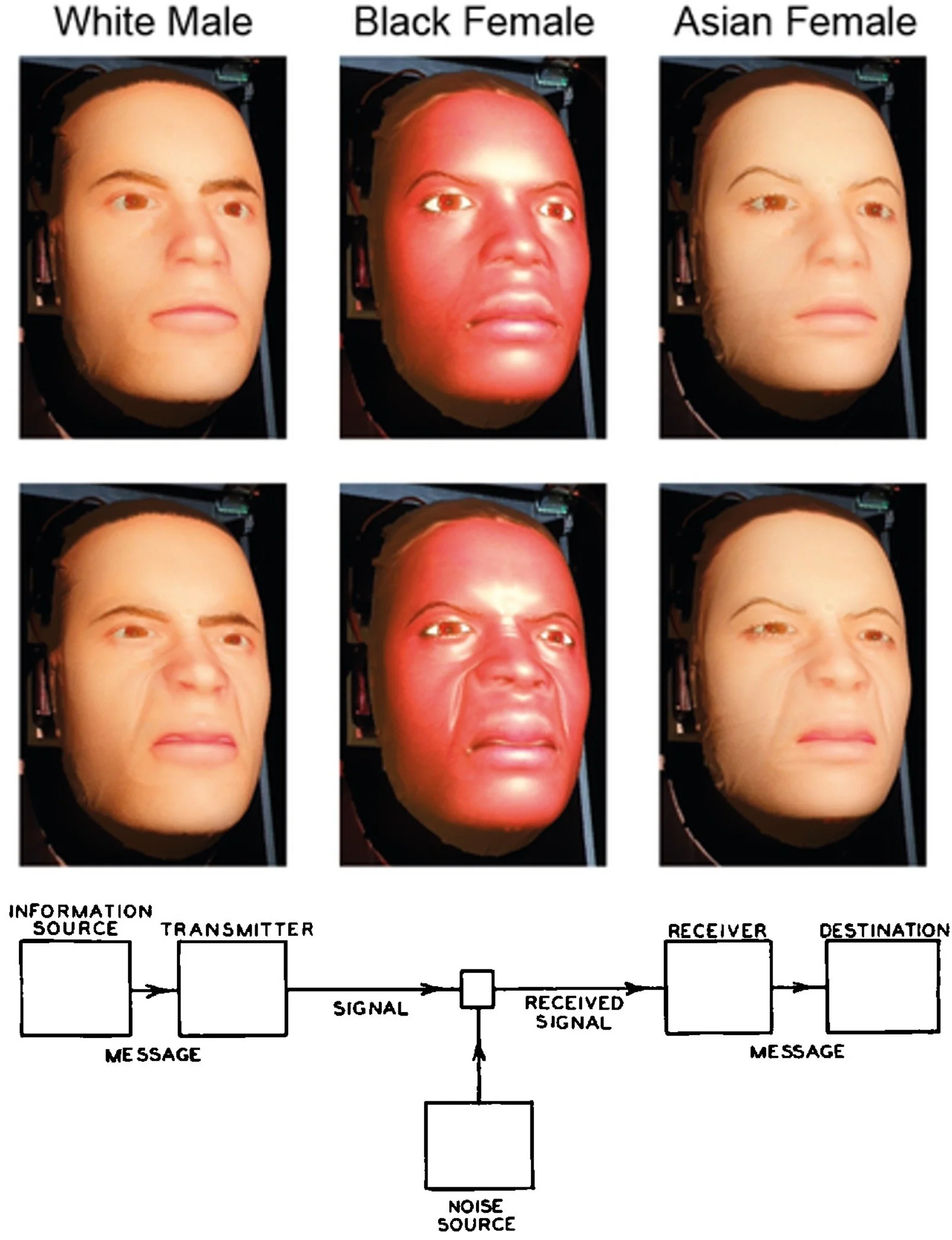
Embodied Communication
Understanding how physical bodies communicate by encoding, transmitting and decoding information
We investigate how physical embodiment shapes the encoding, transmission and decoding of information between humans and robots. By drawing on theoretical frameworks such as information theory and efficient coding, alongside behavioural experiments and robotic platforms, we seek to uncover the principles that determine which bodily signals are informative, efficient and readily interpretable. Our research primarily focuses on facial expressions, while also examining other forms of embodied communication, including touch and auditory, with the broader aim of establishing general principles governing communication through physical bodies.
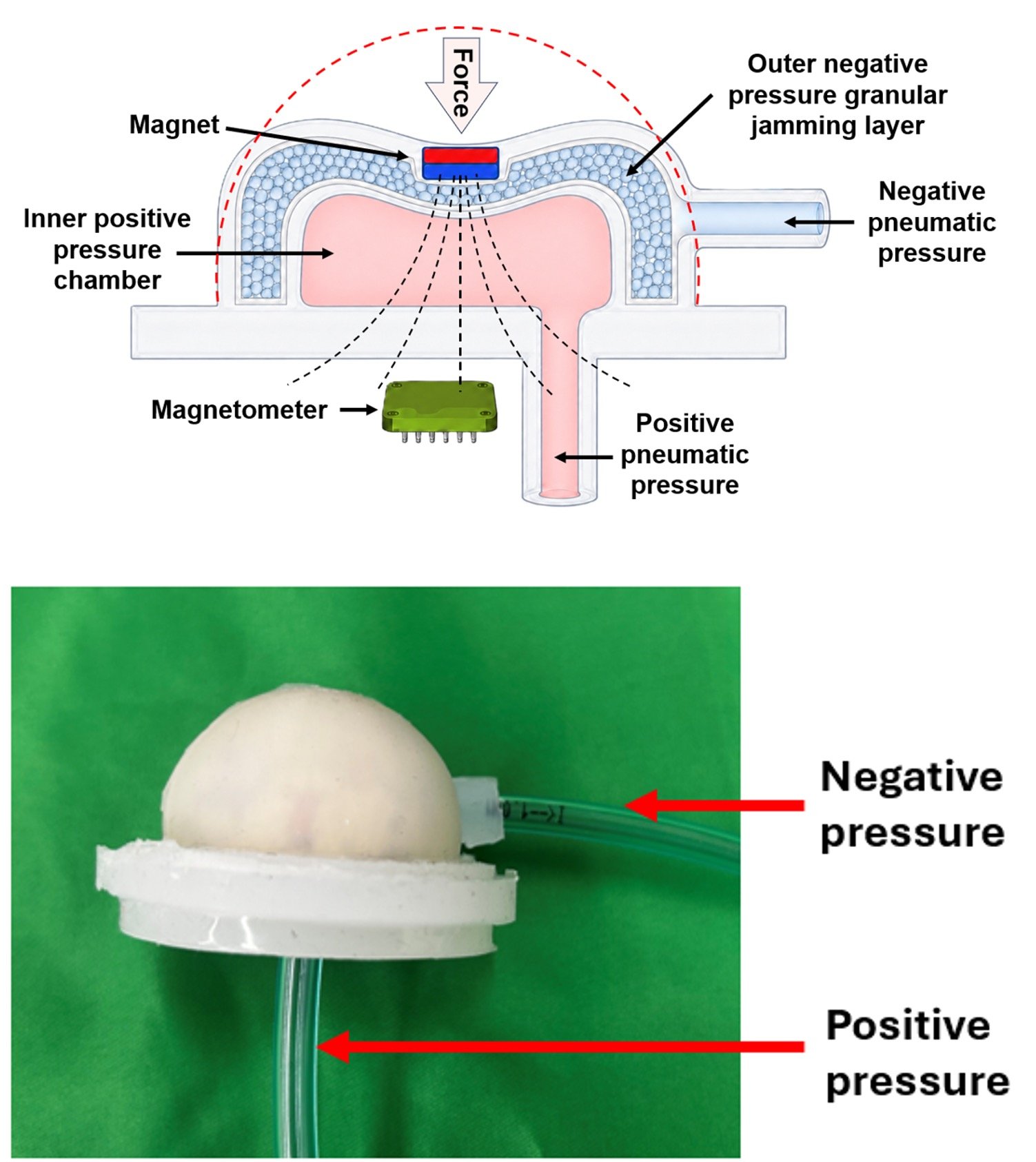
Embodied Intelligence
Understanding how adaptive bodies contribute to embodied intelligence
We investigate how morphology, material properties and mechanical adaptation contribute to embodied intelligence by shaping how physical systems sense, interpret and respond to their environments. Using soft robotic systems as experimental platforms, we examine how changes in properties such as stiffness, compliance, geometry, damping and surface texture affect information acquisition, perception and behaviour.
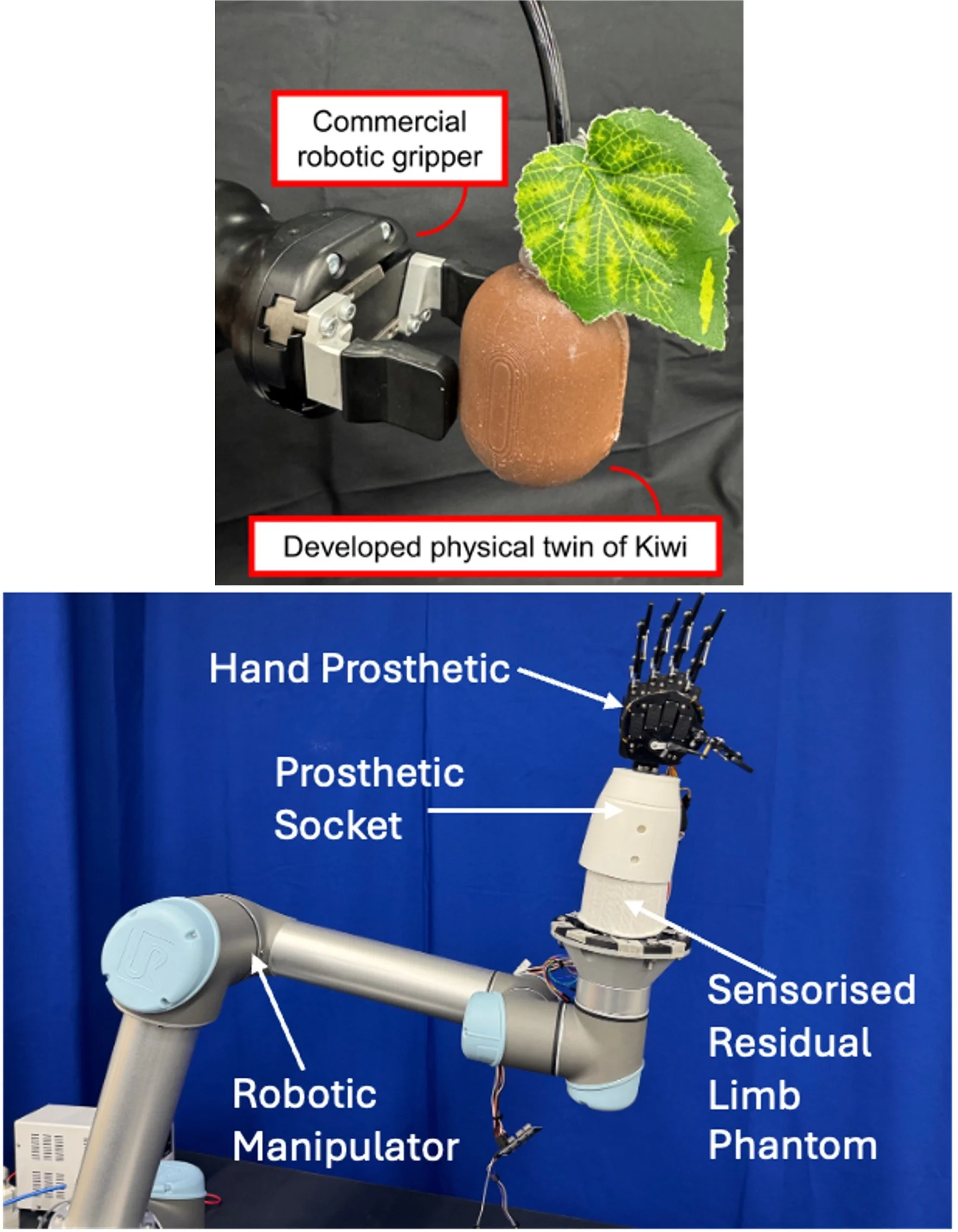
Physical Twins
Understanding human–robot interaction through controllable physical twins
We investigate how controllable, physically realistic models/twins can be used to study embodied interactions among humans, robots and their environments. By reproducing relevant geometric, mechanical, sensory and behavioural properties, physical twins enable systematic, repeatable and ethically controlled experiments that are often difficult to conduct directly with people or variable real-world objects. Using these platforms, we examine how embodiment and physical variability shape sensing, interaction and functional performance.
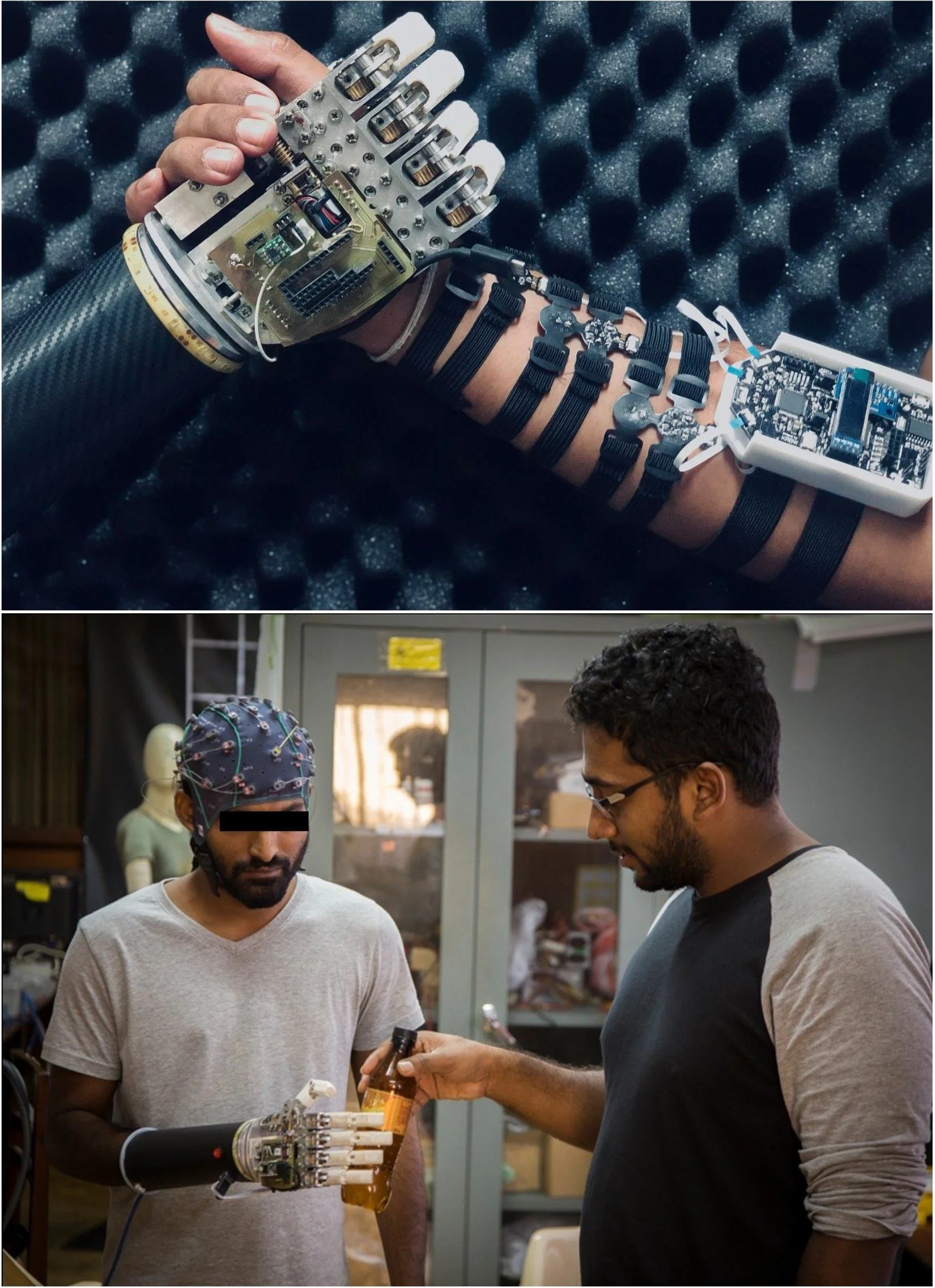
Biosignals and Embodied Interactions
Understanding human intention, effort and movement through biological signals
We investigate how biological signals such as EMG and EEG encode human intention, effort and movement during embodied interaction. By combining biosignal analysis, biomechanics and computational approaches, we examine how these signals can be decoded to understand human behaviour and support intuitive interaction with assistive robotic systems. Our work spans prosthetic control, muscular effort and movement efficiency, as well as facial muscle activity, with the broader aim of understanding the biological signals that underpin embodied human–robot interaction.